GLP-1 Receptor Agonist Weight Loss: A Comprehensive Review
GLP-1 Receptor Agonists: A Novel Approach to Weight Loss
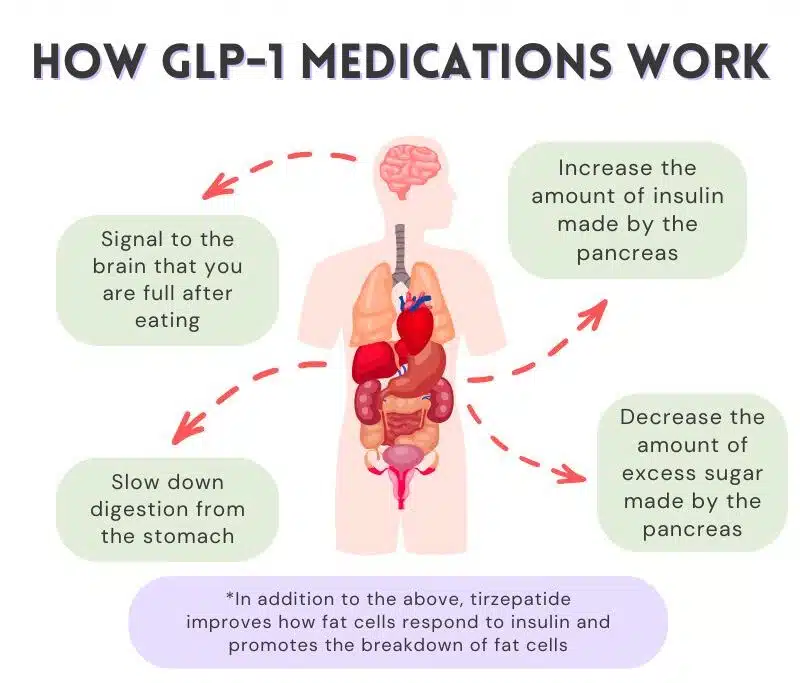
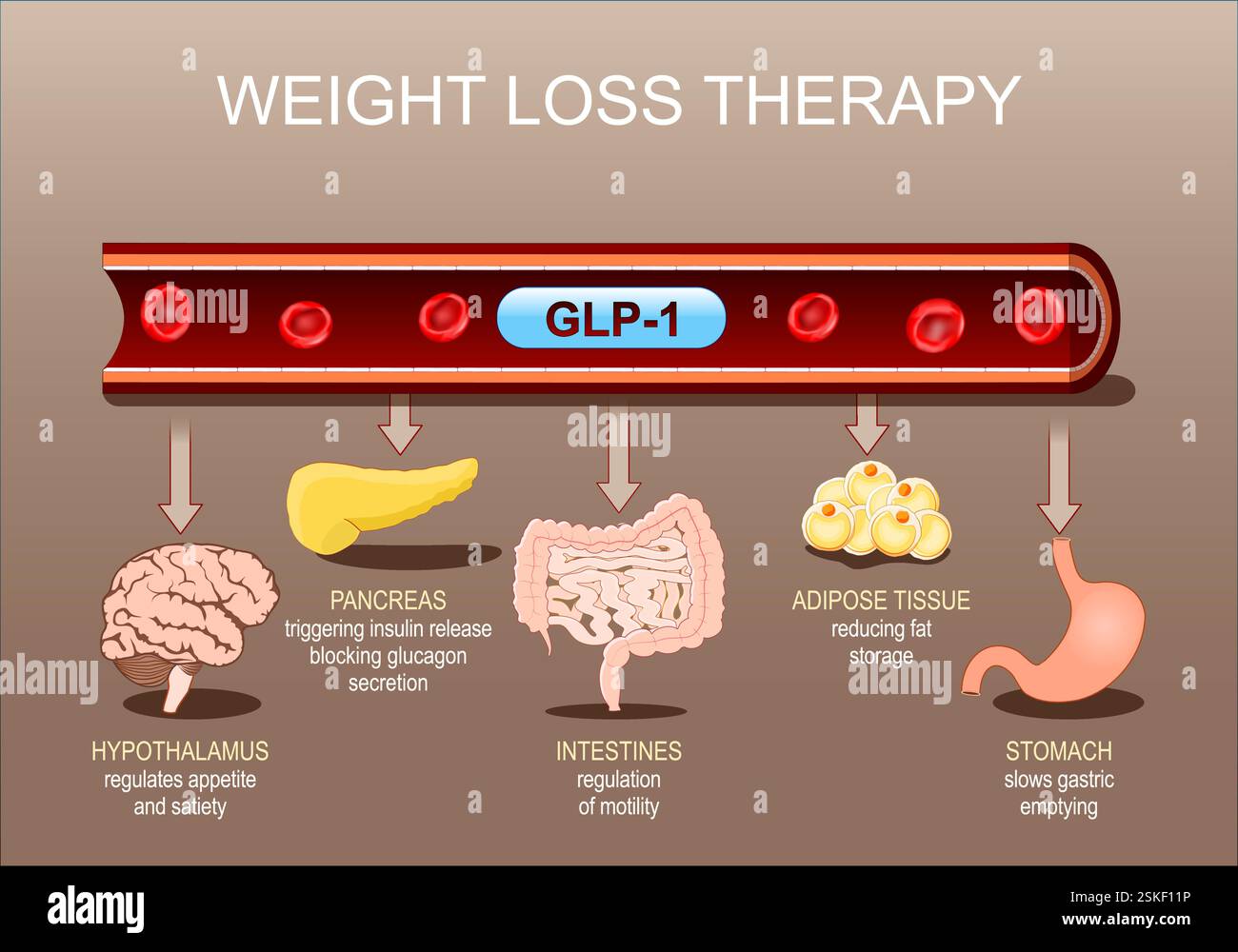
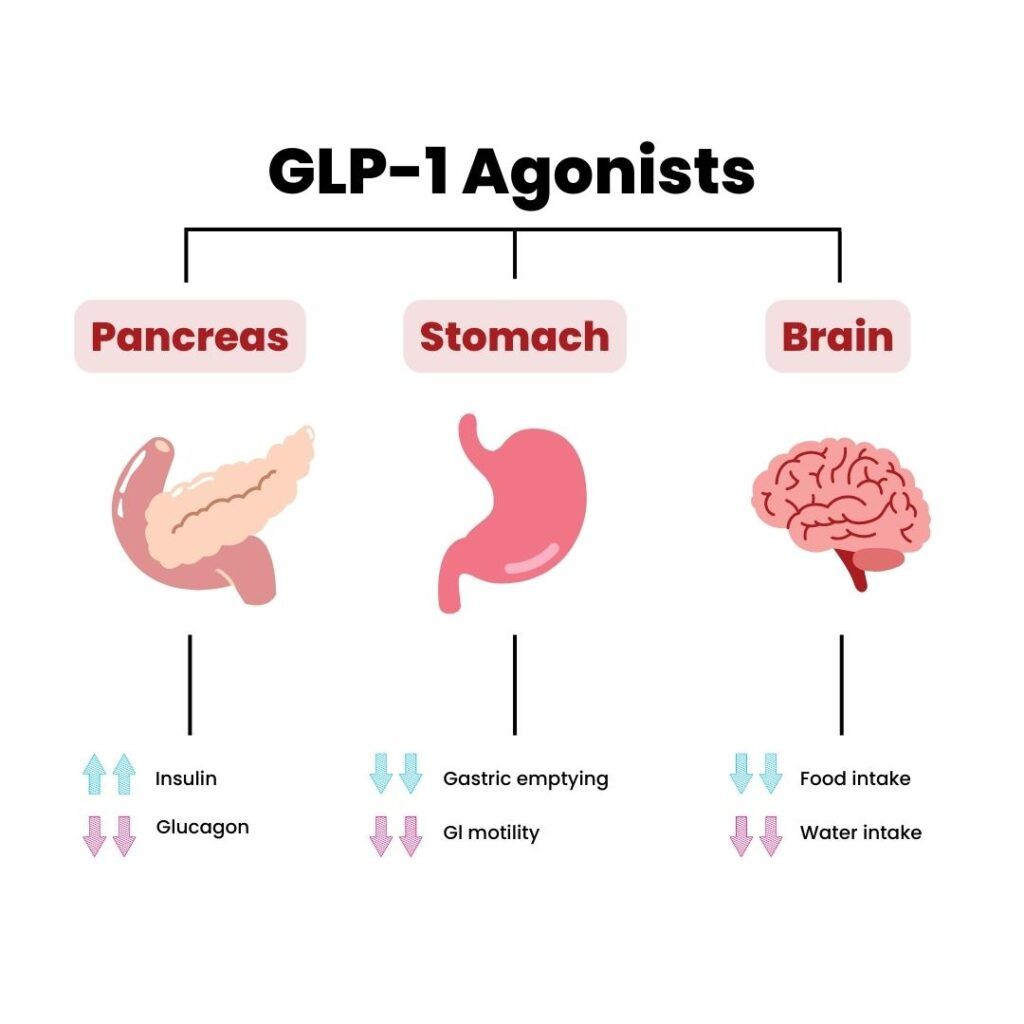
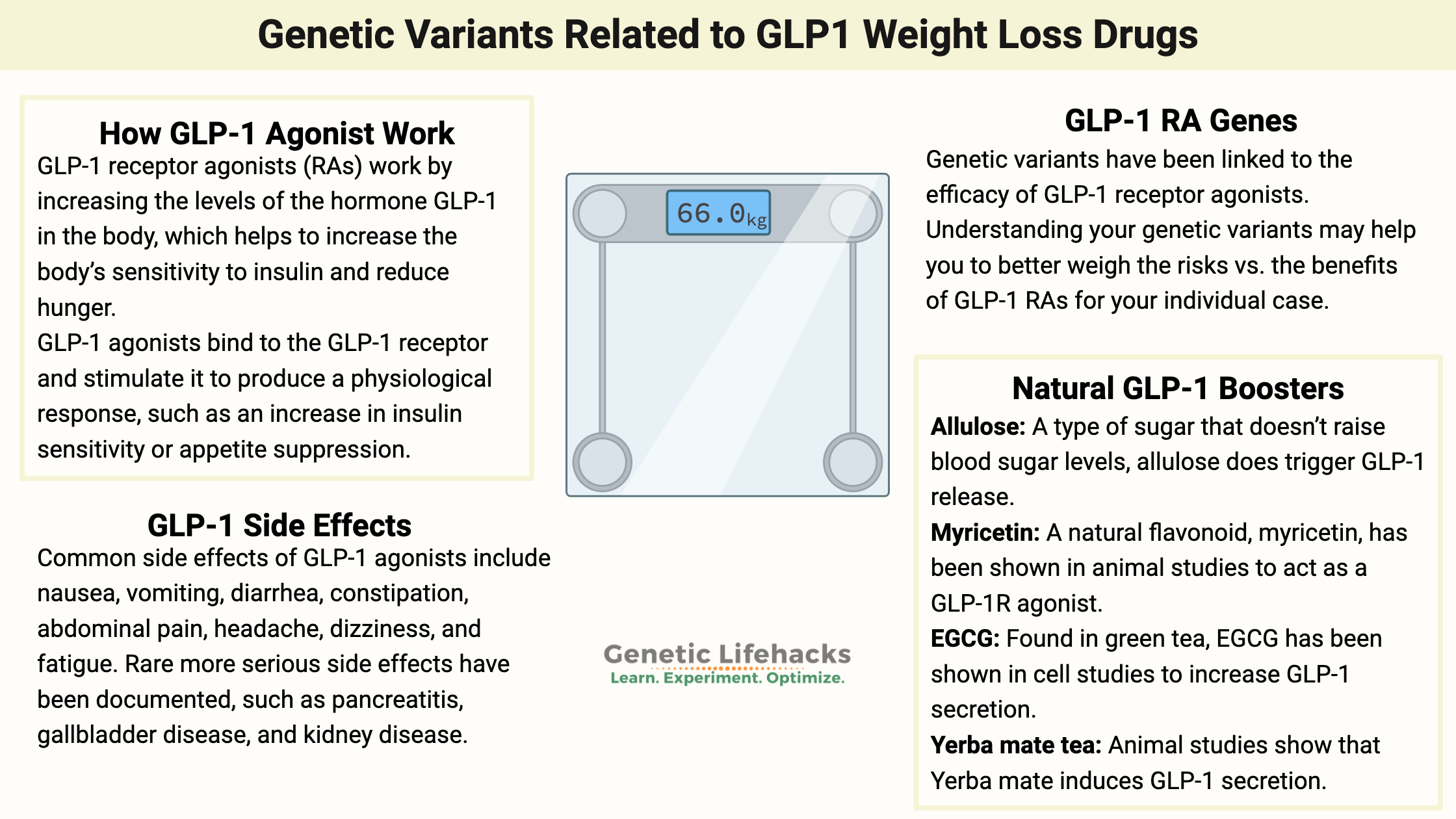
GLP-1 RAs are a class of medications that mimic the action of the GLP-1 hormone, which plays a crucial role in regulating appetite, glucose metabolism, and energy balance. By binding to specific receptors in the brain, pancreas, and stomach, GLP-1 RAs produce a range of effects that help with weight loss, including appetite suppression, reduced gastric emptying, and improved insulin sensitivity.
Mechanisms of GLP-1 RA-Induced Weight Loss
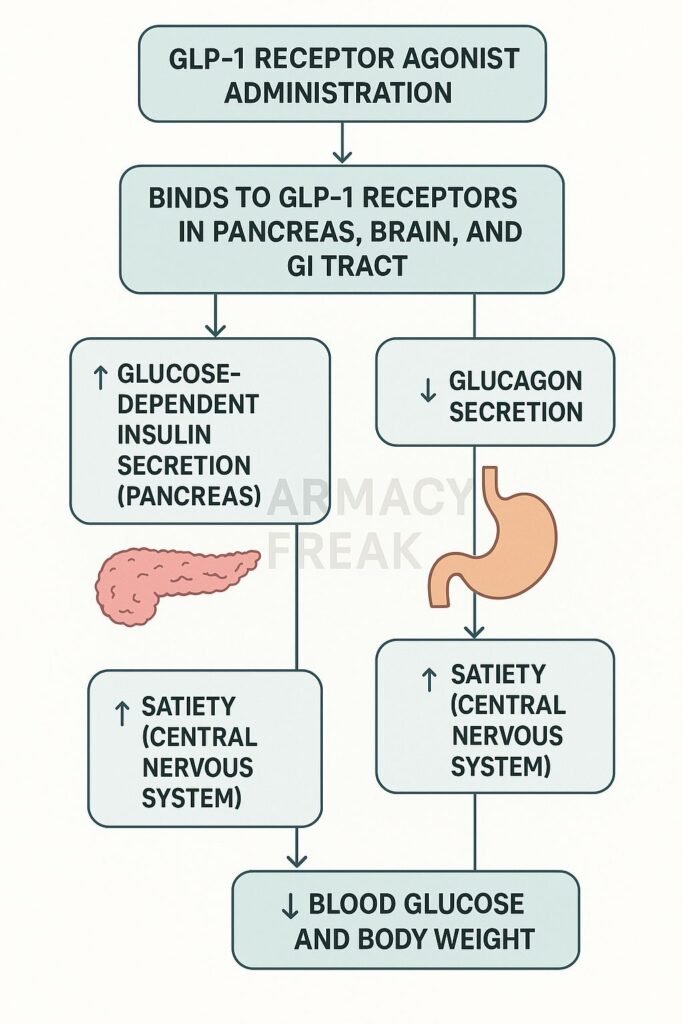
- Appetite Suppression: GLP-1 RAs reduce appetite by modulating the activity of brain regions controlling hunger and satiety.
- Reduced Gastric Emptying: GLP-1 RAs slow down the movement of food from the stomach to the small intestine, leading to a feeling of fullness and reduced caloric intake.
- Improved Insulin Sensitivity: GLP-1 RAs enhance the body's ability to use insulin, reducing glucose levels and promoting weight loss.
- Increased Fat Oxidation: GLP-1 RAs increase the breakdown of fat for energy, leading to weight loss.
Benefits of GLP-1 Receptor Agonists
- Effective Weight Loss: GLP-1 RAs have been shown to produce significant weight loss, particularly when combined with lifestyle intervention.
- Improved Glycemic Control: GLP-1 RAs have been shown to improve blood sugar control, reducing the risk of complications associated with type 2 diabetes.
- Cardiovascular Benefits: GLP-1 RAs have been shown to reduce the risk of heart attack and stroke.
- Psychiatric Benefits: Recent studies suggest that GLP-1 RAs may also have psychiatric benefits, including reduced symptoms of depression and anxiety.
Examples of GLP-1 Receptor Agonists
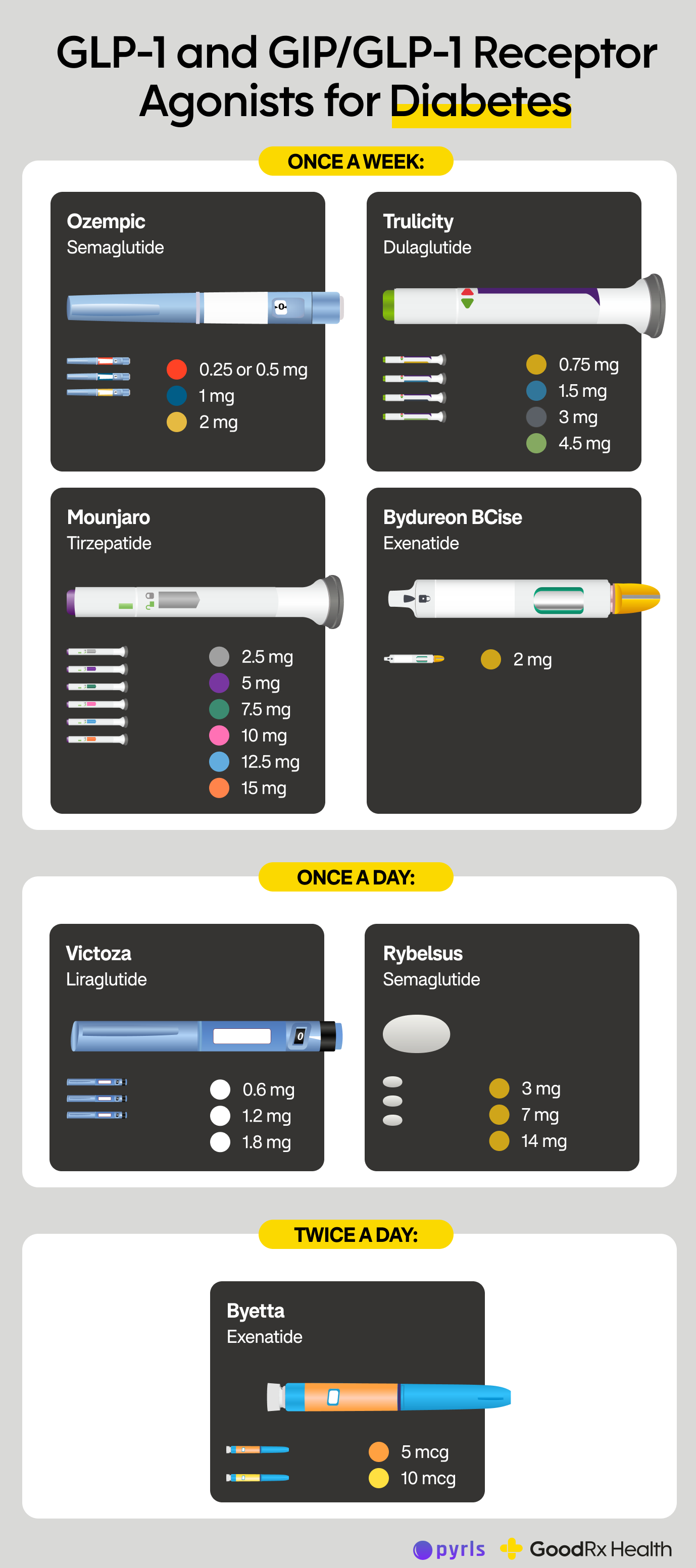
- Semaglutide (Wegovy): Semaglutide is a GLP-1 RA that has been shown to produce significant weight loss, particularly when combined with lifestyle intervention.
- Tirzepatide (Mounjaro): Tirzepatide is a dual GLP-1 and glucose-dependent insulinotropic polypeptide (GIP) receptor agonist that has been shown to produce effective weight loss and improve glycemic control.
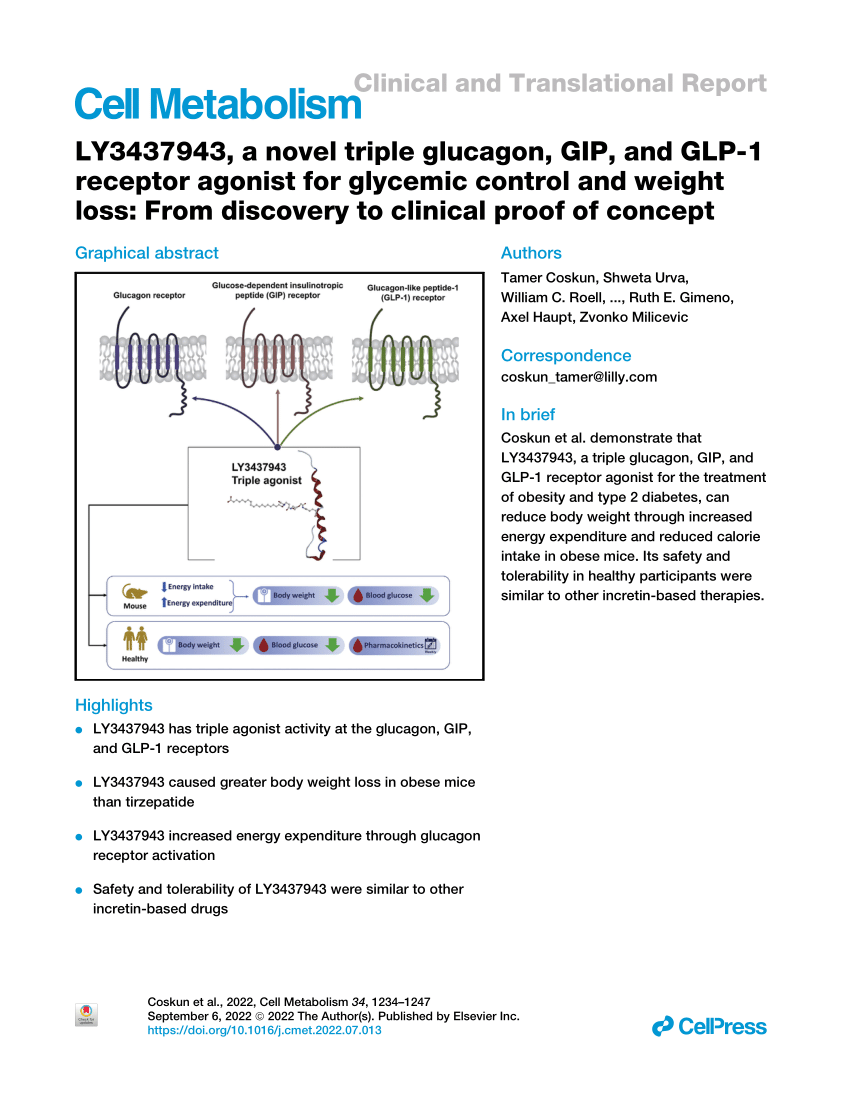
- Retatrutide (Lilly's Triple Agonist): Retatrutide is a triple GLP-1, GIP, and glucagon receptor agonist that has been shown to produce significant weight loss and improve glycemic control.
GLP-1 receptor agonists have emerged as a promising treatment option for obesity and type 2 diabetes. These medications work by mimicking the action of the GLP-1 hormone, producing a range of effects that help with weight loss, improve glycemic control, and reduce cardiovascular risk. As the number of obese individuals continues to rise, GLP-1 RAs offer a novel approach to managing this complex condition.
Furthermore, visual representations like the one above help us fully grasp the concept of Glp-1 Receptor Agonist Weight Loss.
References
- Coskun T, Urva S, Roell WC, et al. LY3437943, a novel triple glucagon, GIP, and GLP-1 receptor agonist for glycemic control and weight loss: from discovery to clinical proof of concept.
- Jan 29, 2026. Obesity medications targeting glucagon and GLP-1 represent another dual agonist target that benefit both weight and cardiometabolic health.
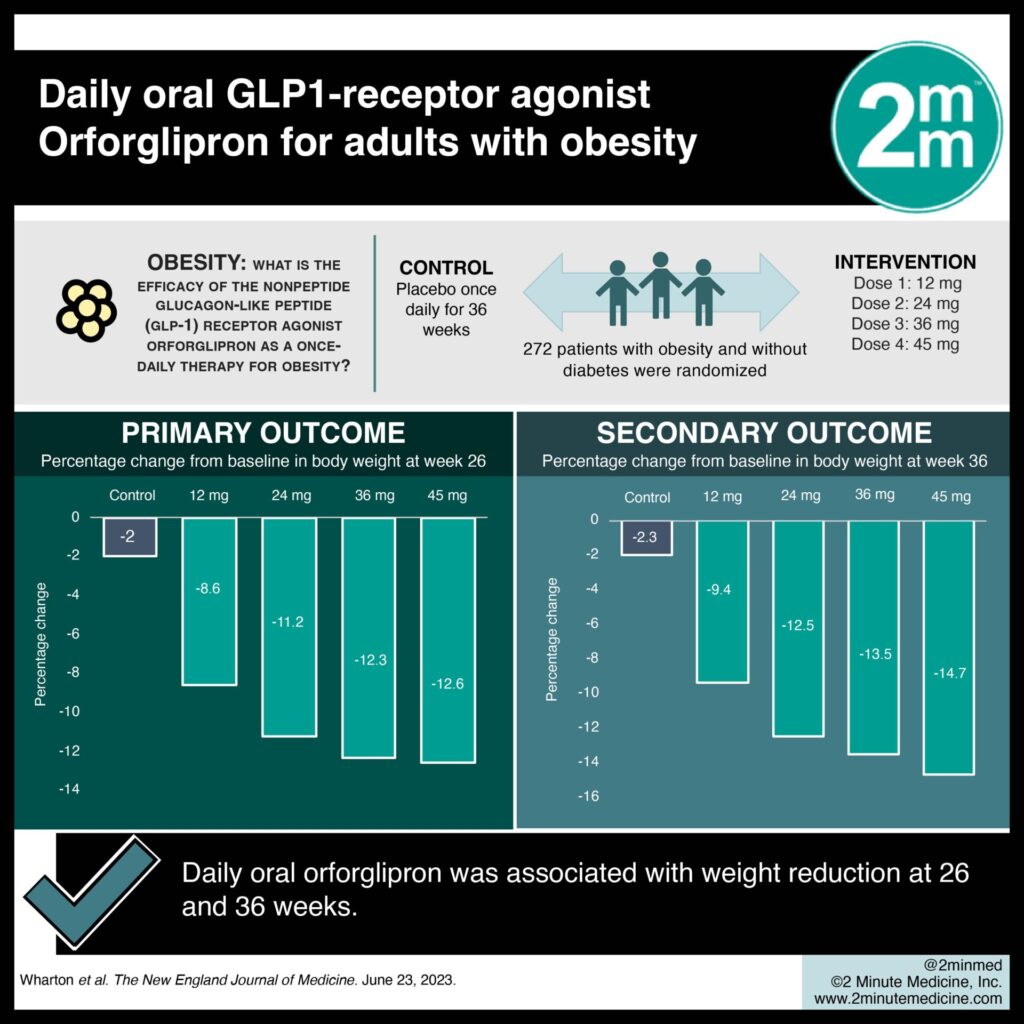
- Feb 26, 2026. Orforglipron is an investigational, once-daily oral GLP-1 medication being studied for the treatment of type 2 diabetes and obesity.