How to Learn Python Decorators
Learning Python decorators can be a game-changer for any programmer looking to elevate their coding skills and enhance the functionality of their functions. With decorators, you can modify or extend the behavior of functions and methods without changing their actual code. In this article, we'll delve into the world of Python decorators, covering the basics, syntax, and real-world examples to help you master this powerful tool.
What Are Python Decorators?
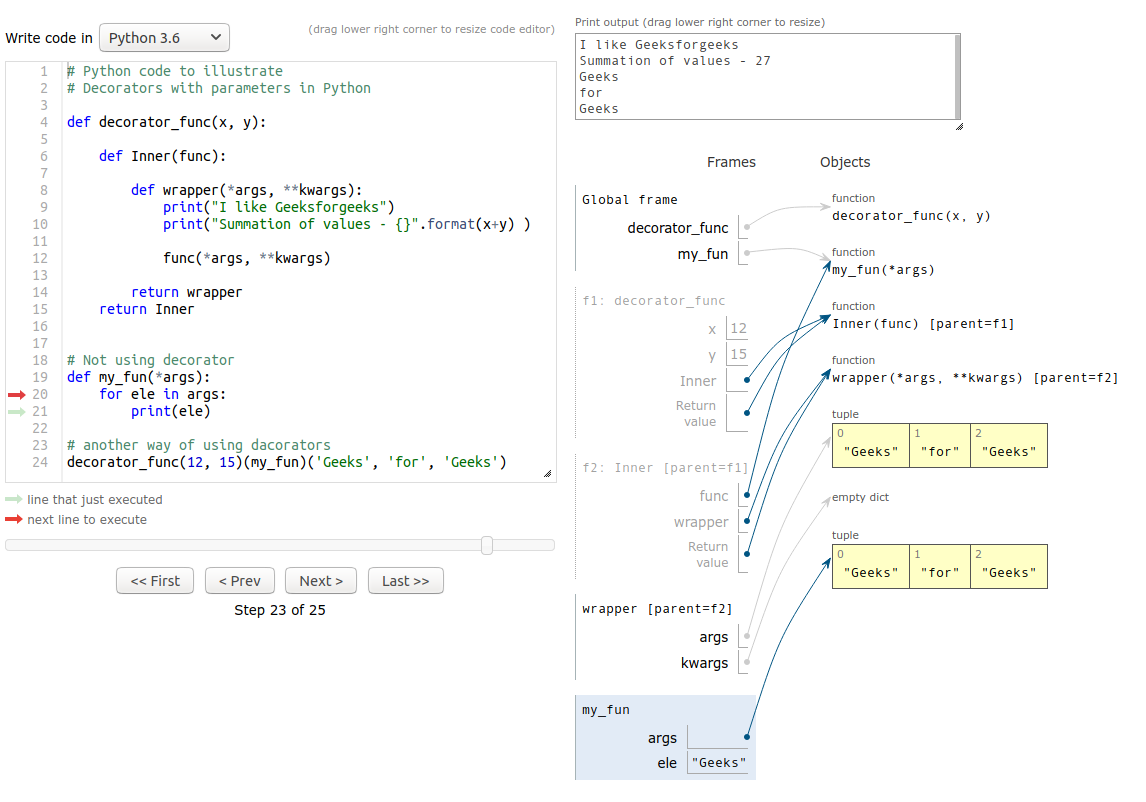
A decorator is a design pattern tool in Python for wrapping code around functions or classes. This design pattern allows a programmer to add new functionality to existing functions or classes without modifying the existing structure. Decorators are functions that take another function as an argument and return a new function with or without extension. They provide an easy yet powerful syntax for modifying and extending the behavior of functions in your code.
Why Use Python Decorators?
Decorators are a must-know concept for advanced Python programmers because they enable you to write cleaner, reusable, and more efficient code. With decorators, you can add extra behavior to a function without changing its code, making it easier to manage complexity and maintain large codebases. Decorators are often used in scenarios such as logging, authentication, and memorization, allowing you to add additional functionality to your code without modifying its original structure.
The Syntax of Python Decorators
The syntax of Python decorators is straightforward. A decorator is a function that takes another function as an argument and returns a new function with or without extension. The basic syntax for a decorator is as follows:
- @decorator_name -->
- def function_name():
Where `@decorator_name` is the name of the decorator, and `function_name` is the function you want to decorate. When you use a decorator, Python replaces the original function with the modified function returned by the decorator.
Example of a Simple Decorator
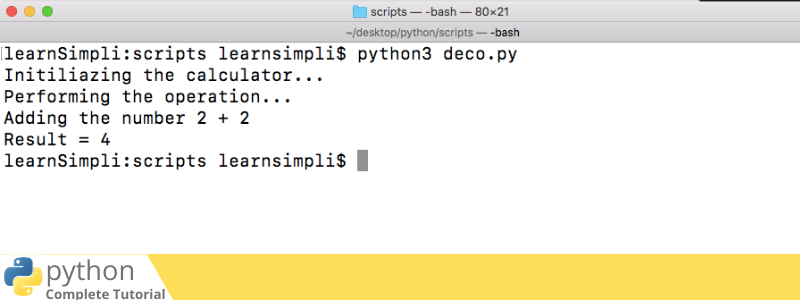
``` def my_decorator(func): def wrapper(): print("Before function execution.") func() print("After function execution.") return wrapper @my_decorator def my_function(): print("Hello, world!") my_function() ```When you run `my_function()`, you'll see the following output:
``` Before function execution. Hello, world! After function execution. ```Types of Decorators

- Function Decorators:
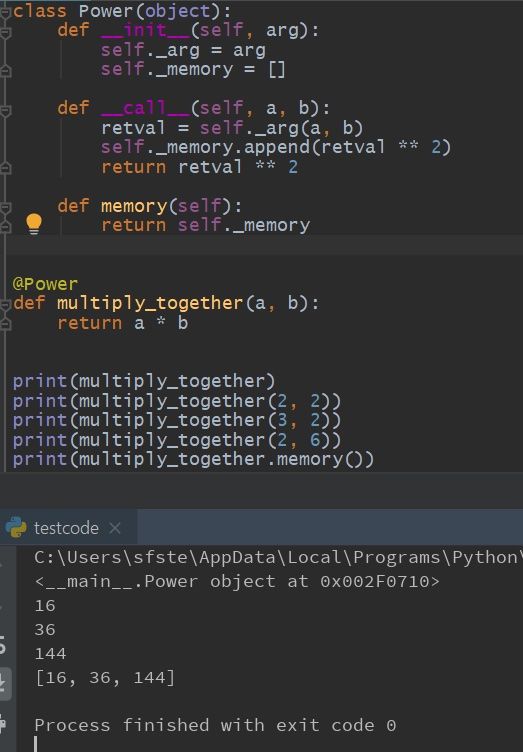
- Class Decorators:
Best Practices for Using Python Decorators
Here are some best practices to keep in mind when using Python decorators:
- Keep decorator functions small and focused.
- Use meaningful names for your decorators and functions.
- Use the `@functools.wraps` decorator to preserve the original function's docstring and metadata.
- Use decorators to separate concerns and make your code easier to read and maintain.
Conclusion
Learning Python decorators takes time and practice, but with this guide, you have a solid foundation to start with. Remember to keep your decorators small, focused, and meaningful, and use them to separate concerns and make your code more efficient. With decorators, you can write cleaner, reusable, and more efficient code, making you a more effective Python programmer. Happy coding!












![Picture of Python Exercises, Practice, Challenges [385+ Exercises] - PYnative](https://blogapi.hostmycode.in/static/images/blogs/Resolve-Common-Errors-in-Python-Decorators-Hostperl.png "Python Exercises, Practice, Challenges [385+ Exercises] - PYnative")