Green Living in Urban Environments: A Pathway to a Sustainable Future
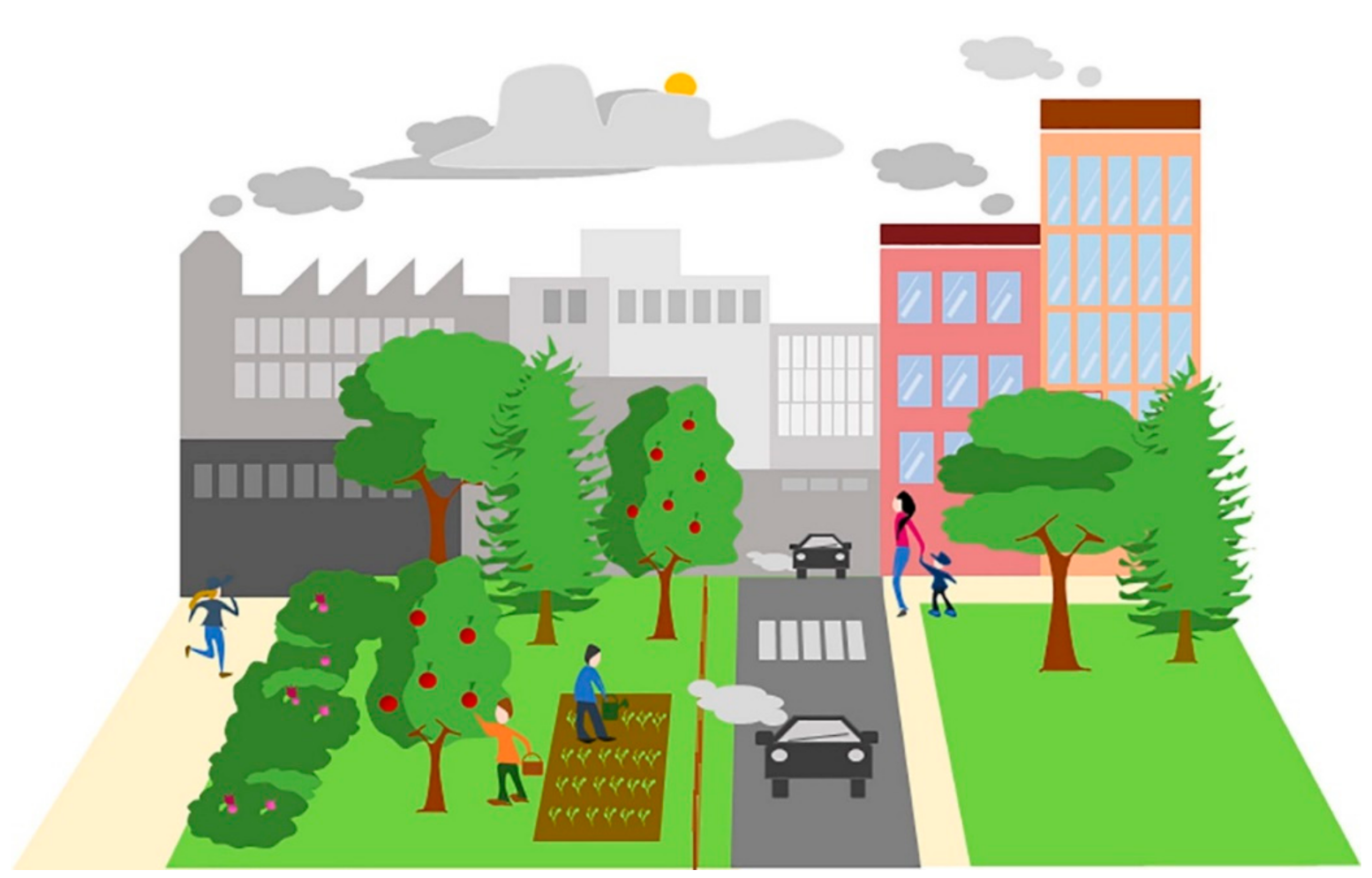
Urbanization is on the rise, and with it, the need for innovative solutions to create sustainable and livable cities. Green living in urban environments is becoming increasingly important as people seek to reduce their environmental impact and improve their quality of life. In this article, we'll explore the benefits of green living in urban environments and provide practical tips for incorporating more green spaces into your city living.
The Benefits of Green Living in Urban Environments
Green living in urban environments offers numerous benefits, including:
- Improved Air Quality: Green spaces help to purify the air by removing pollutants and CO2 from the atmosphere.
- Enhanced Mental Health: Exposure to nature has been shown to reduce stress levels, anxiety, and depression.
- Increased Biodiversity: Green spaces provide habitats for wildlife and contribute to the conservation of local ecosystems.
- Climate Change Mitigation: Green spaces help to regulate the urban microclimate, reducing the urban heat island effect and mitigating the impacts of climate change.
Green Spaces in Urban Environments
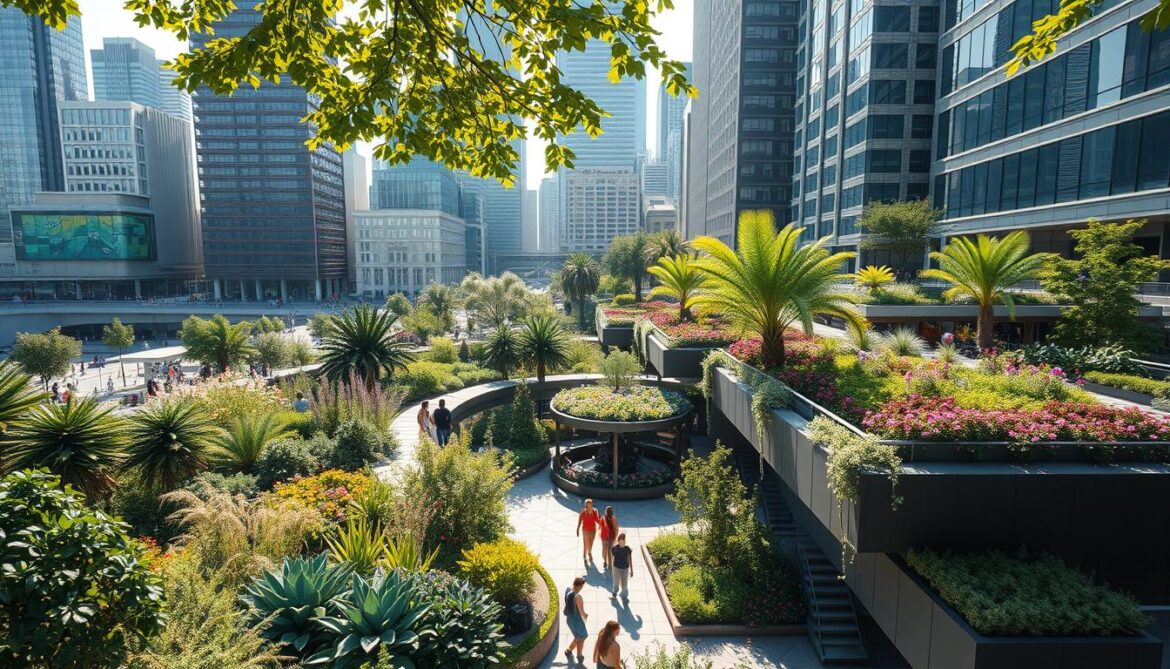
- Parks and Public Green Spaces: Well-designed parks and public green spaces can provide recreation areas, improve air quality, and enhance biodiversity.
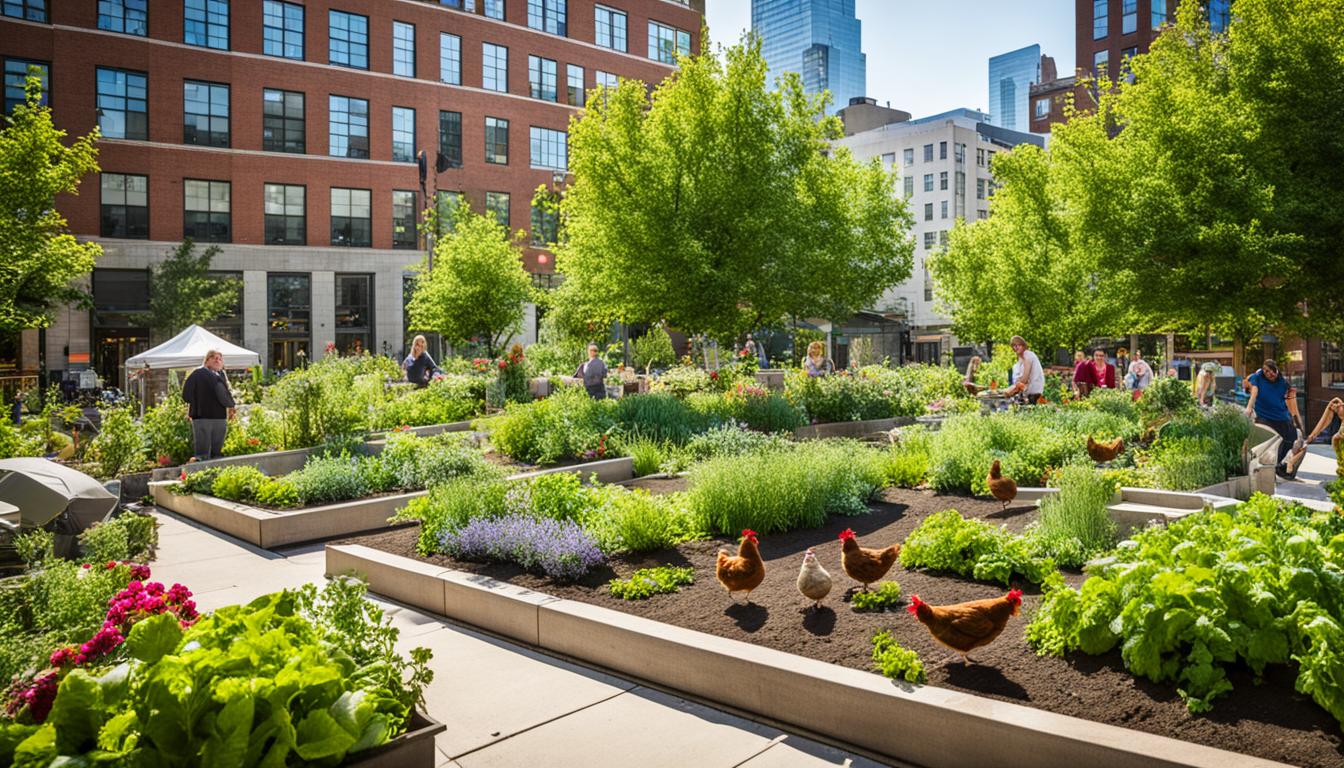
- Community Gardens: Community gardens are a great way to engage residents in green living and provide access to fresh produce.
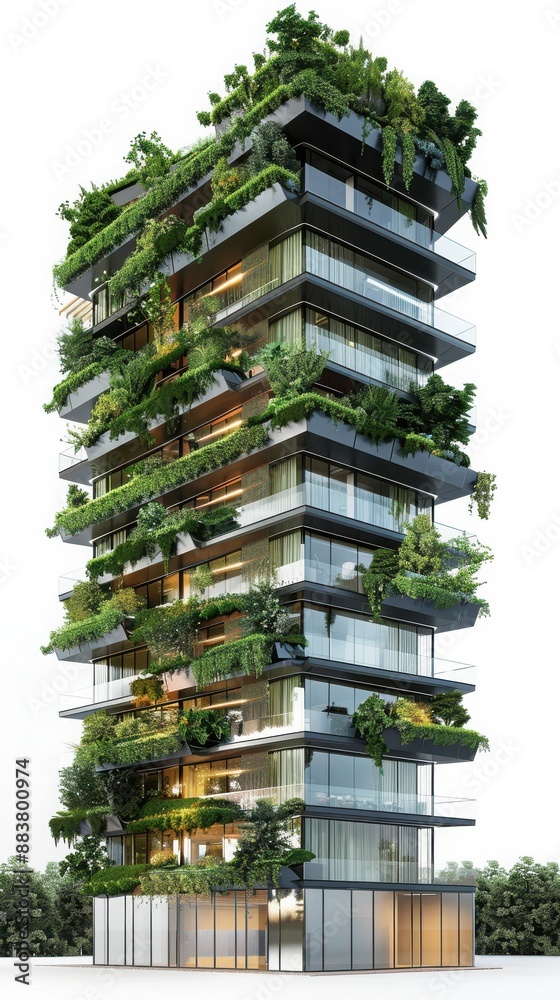
- Green Roofs: Green roofs can help to insulate buildings, reduce energy consumption, and provide habitats for wildlife.
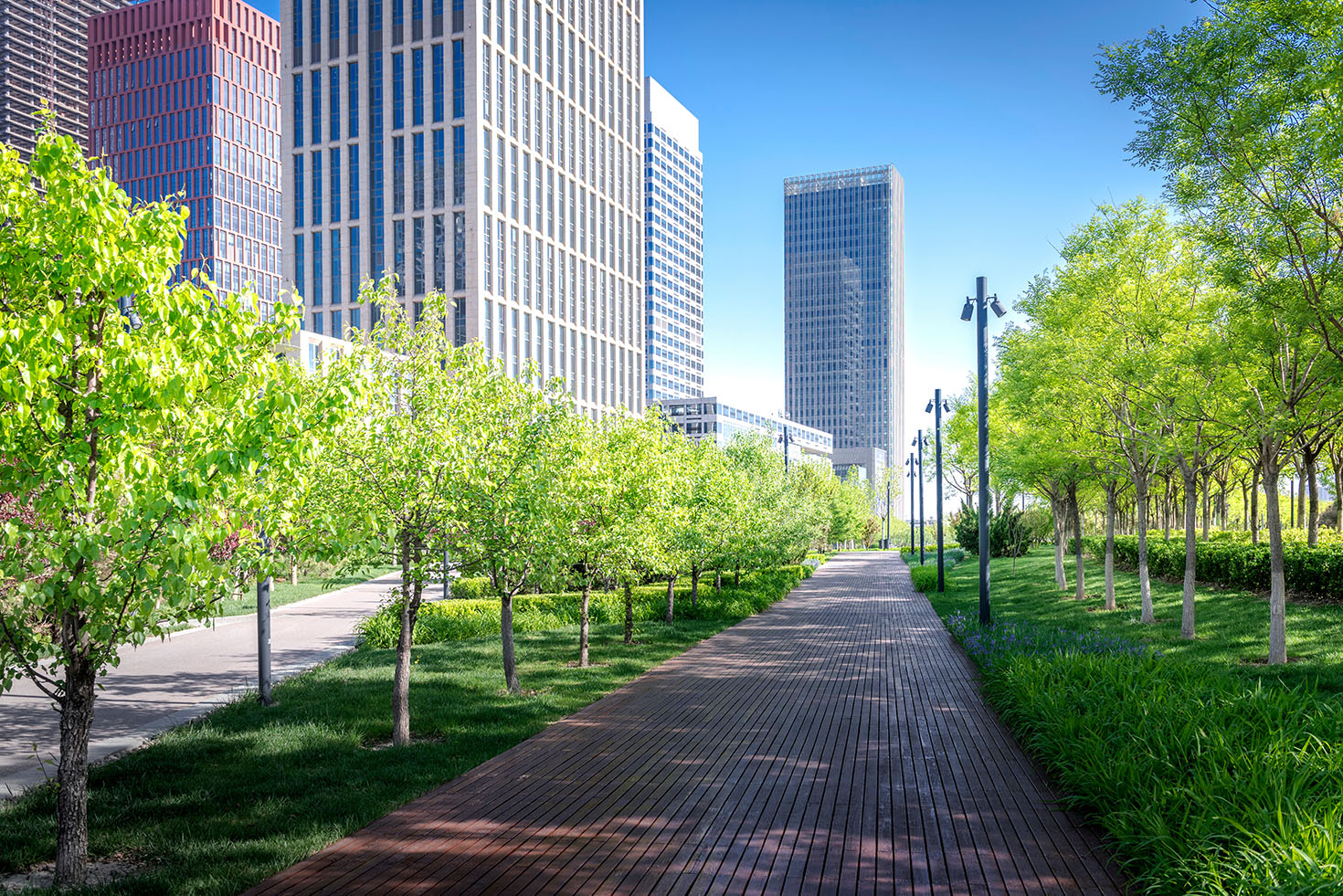
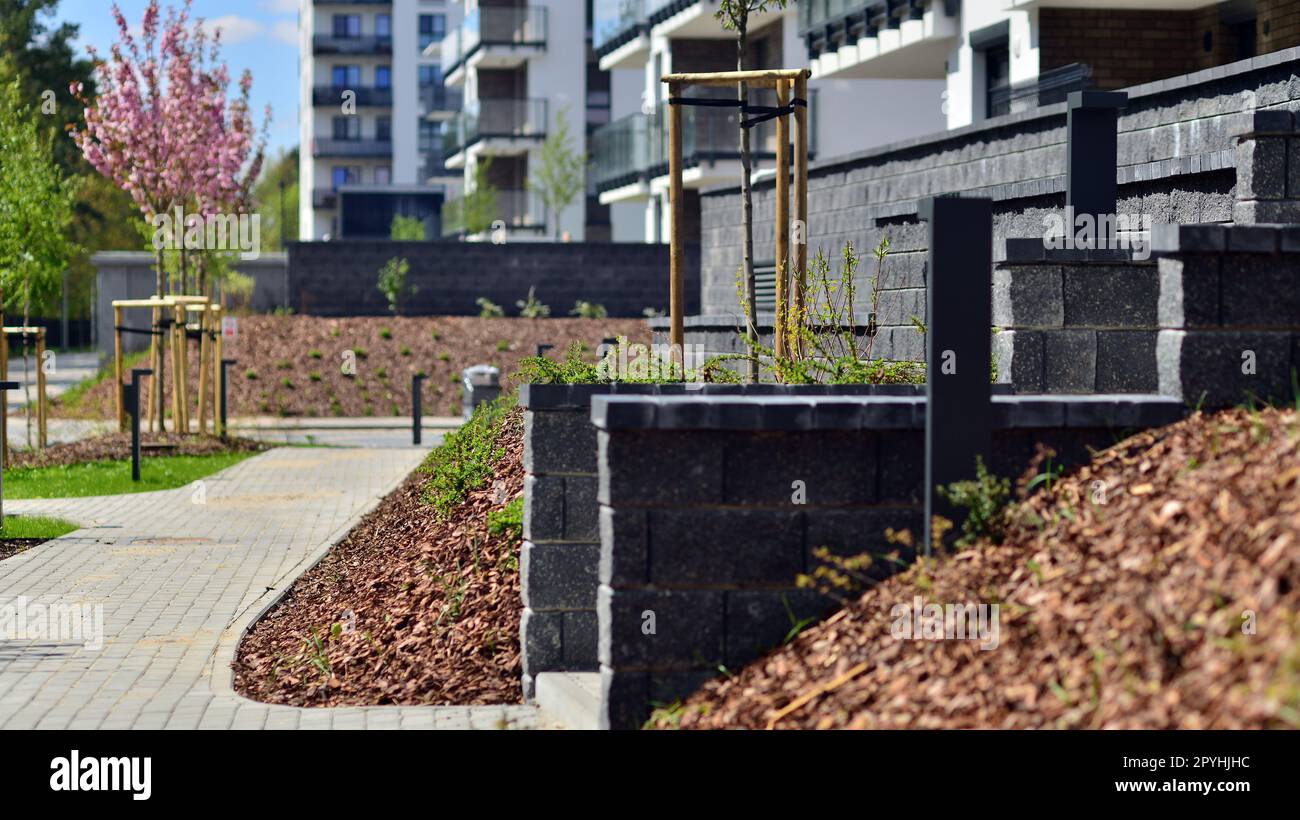
- Street Trees and Green Infrastructure: Street trees and green infrastructure can help to mitigate the urban heat island effect, improve air quality, and enhance biodiversity.

Practical Tips for Greener Urban Living
Here are some practical tips for incorporating more green living into your urban environment:
- Create a Green Space in Your Community: Organize a community garden or create a green space in a vacant lot.
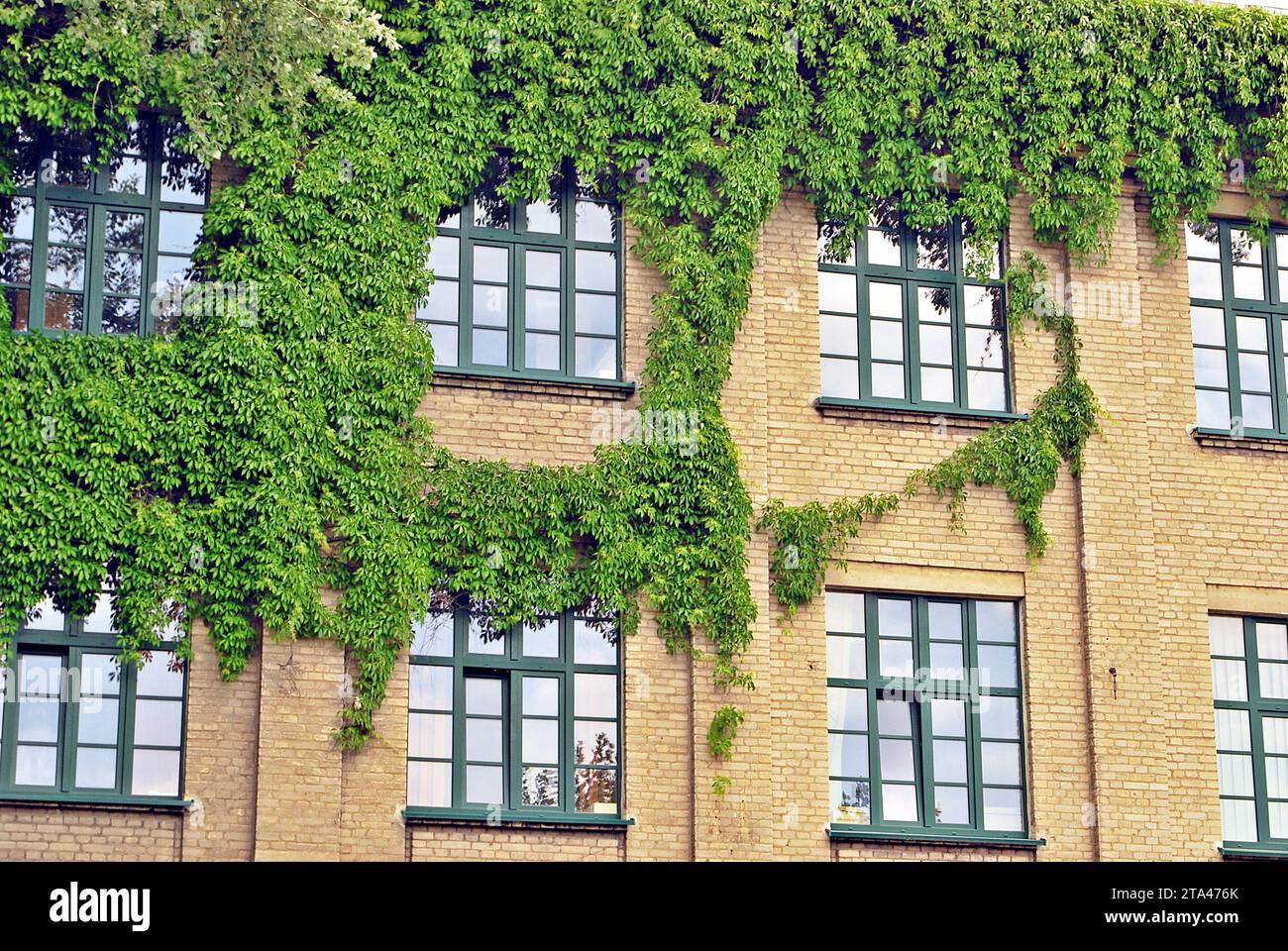
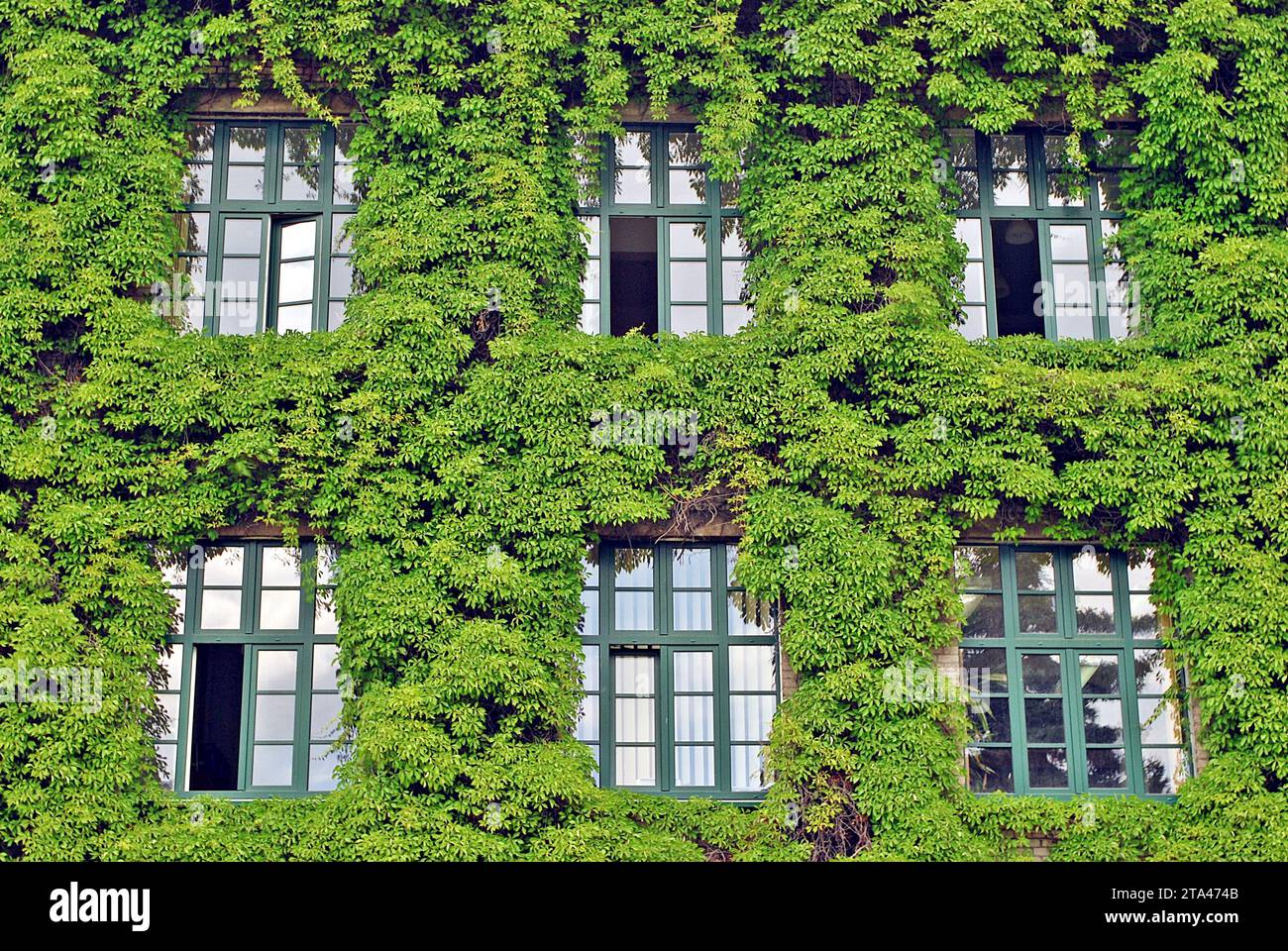
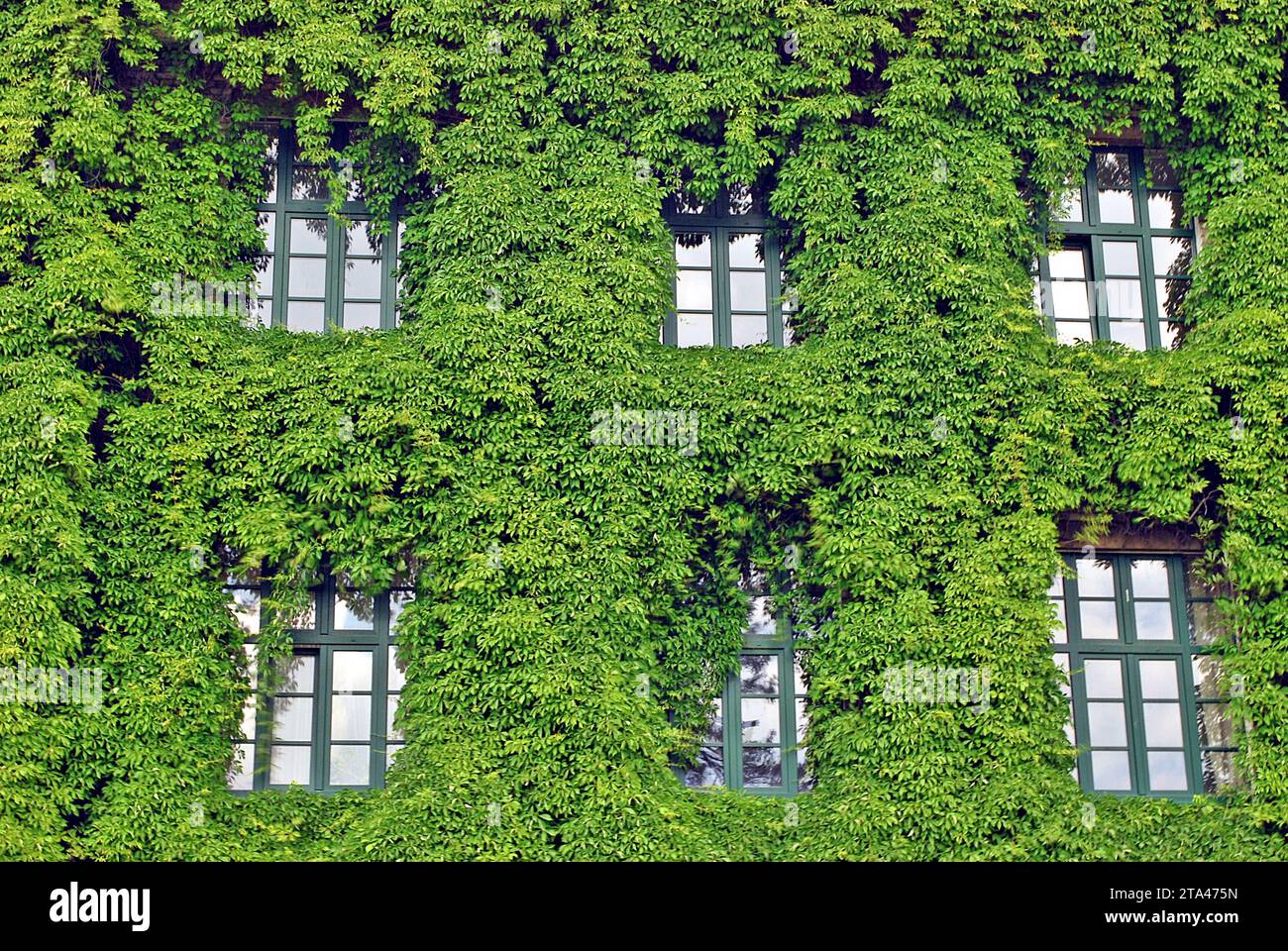
- Use Green Infrastructure in Your Home: Incorporate green roofs, vertical gardens, or living walls into your building design.
- Support Local Green Initiatives: Participate in local green initiatives, such as tree planting or park cleanups.
- Maintain a Sustainable Lifestyle: Reduce your carbon footprint by using public transportation, reducing energy consumption, and using eco-friendly products.